Side Effects Of Teeth Bleaching Therapies
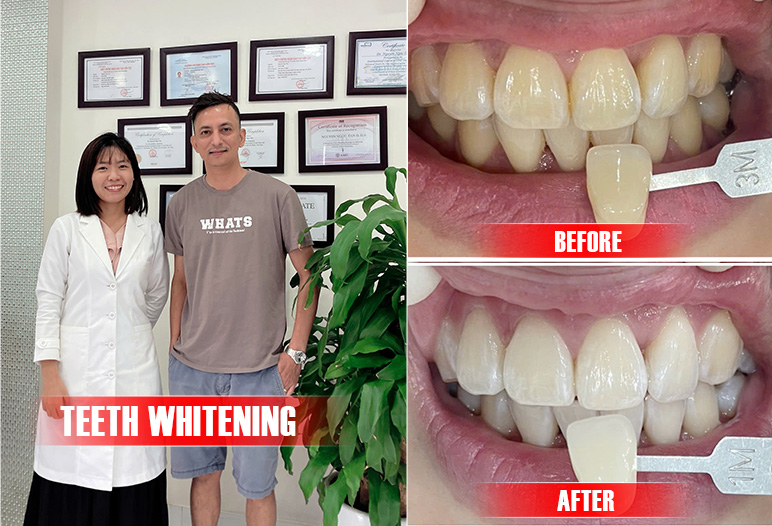
Risks Of Teeth Bleaching Too Often: What You Need To Recognize Simply handle your bleaching method like any type of clinical treatment-- listen to your dentist, follow instructions, and look for undesirable side effects. After that, you can safely and successfully lighten your teeth and brighten your smile. A brighter smile is always worth the initiative, however lightening frequently can do more harm than great. While mild adverse effects like sensitivity or periodontal irritation can happen, they are generally momentary and convenient. Speak with a dental expert to make sure the treatment appertains, and follow aftercare suggestions to preserve your outcomes. In-office, professionally applied tooth lightening items include hydrogen peroxide in focus varying from 15% to 43%. These items can be made use of in combination with warm, an unique light, or a laser. Yet to attain dramatic results, several appointments are typically needed. Nonetheless, with in-office whitening, dramatic results can be seen after the initial treatment. Whitening toothpastes typically have higher quantities of abrasives and cleaning agents than typical tooth pastes, to get rid of harder spots. Whitening tooth pastes do not have bleach (salt hypochlorite) yet some consist of reduced focus of carbamide peroxide or hydrogen peroxide that aid lighten tooth shade.
What's Behind Your Smile?
When you whiten your teeth-- whether skillfully or with a take-home package-- you're essentially using a peroxide-based option that raises discolorations from the enamel. Due to the fact that the process temporarily opens up the pores in your teeth, mild negative effects are common and generally short-term. With in-office lightening, the lightening item is used directly to the teeth. For a lot of individuals, teeth whitening uses a method to attain an improved and evenly colored smile. Nevertheless, it's important to bear in mind that lightening gel does not impact restorations such as oral bonding, oral crowns, and porcelain veneers. For that reason, people have to consider what their teeth will resemble after therapy as contrasted to their repairs, which will certainly remain the exact same color. If some front teeth are covered by porcelain veneers that perfectly match the present teeth, lightening may lead to a smile that differs in shade from tooth to tooth. Alternatively, if remediations are minor or not situated at the front of the mouth, therapy will likely not be a trouble. In addition, people may opt for a bleaching treatment that does not provide every one of the bleaching representative simultaneously.Burns Or Blisters On Gum Tissues And Lips
Purchasingwhitening products from your drug store and using them is less trusted. A lot of are pleased with the result, but some have developed soft cells irritation. It occurs when the bleaching option touches your gum tissue during the procedure. Keep in mind, bleaching eliminates surface spots; it does not reinforce or cleanse your teeth. Routine check-ups, professional cleansings, and a balanced diet regimen do far more for long-term brightness. If you have fillings, crowns, or veneers, these oral restorations will certainly not whiten like all-natural teeth, leading to an irregular smile. Both adverse effects that happen usually with teeth bleaching are a short-term rise in tooth level of sensitivity and mild irritability of the soft tissues of the mouth, especially the gum tissues. Tooth sensitivity typically occurs during early stages of the bleaching treatment. Cells irritability most generally results from an ill-fitting mouthpiece tray rather than the tooth-bleaching representative. Both of these problems generally are momentary and vanish Click here to find out more within 1 to 3 days of quiting or finishing treatment. If you are trying to find high quality oral treatment, I would extremely suggest. The enamel pores open briefly during whitening, subjecting inner dentin to temperature modifications. A lot of dental experts recommend no greater than twice annual under supervision. Overuse of peroxide deteriorates enamel, often irreparable, which increases sensitivity. These small behaviors fit into any way of living and prolong the time in between whitening sessions without shedding your shine. "You can stroll in with one shade of teeth and go out with them looking much whiter," she states.- If you currently have fractures, dental caries, or worn enamel, the danger of nerve irritation or long-lasting damages rises.
- This occurs since the peroxide can irritate the nerves inside your teeth.
- Teeth bleaching is a secure and efficient means to enhance your smile-- however like any aesthetic treatment, it can come with adverse effects.
Blue Light Teeth Whitening Adverse Effects
What are the threats of lightening teeth?
Risks frequently reported with tooth lightening consist of enhanced tooth level of sensitivity and light gingival irritation. The degree of these negative effects is directly pertaining to the concentration of the peroxide bleach part, period of the therapy, and the non-bleach make-up of the product utilized.